Strengthen Your Relationship: The Ways Couples Counseling Can Transform Your Life Together
Couples counseling offers a dedicated space for individuals in relationships to understand the complexities of their partnership. Sessions focus on issues like communication barriers and trust deficits. Many couples find themselves facing obstacles that feel overwhelming. Yet, professional support can help create meaningful progress. Gaining insight into these therapeutic approaches can illuminate new ways to strengthen bonds. As partners navigate their unique struggles, the potential for growth becomes evident. What revelations might emerge about their relationship and individual roles within it?
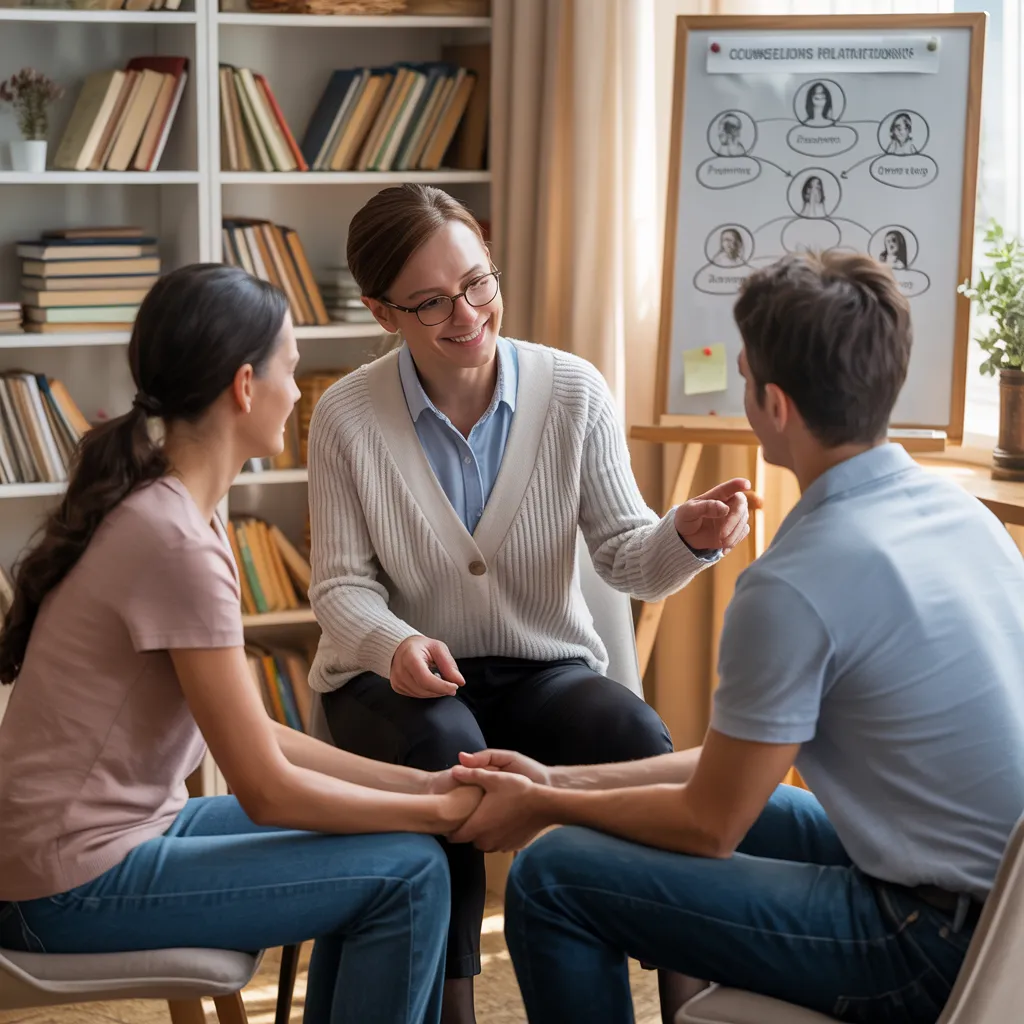
Couples Counseling: Everything You Need to Know
What aspects influence the success of couples counseling functions? A variety of elements play a vital role in the success of this form of therapy. First, the qualifications and knowledge of the counselor can substantially affect outcomes. A seasoned therapist creates a comfortable setting, fostering open communication and trust between partners. Furthermore, the commitment of both people to commit to the process is crucial; resolve to improve and personal growth amplifies progress. Moreover, the clarity of goals set at the start of counseling can shape appointments and measure success over time. Beyond that, active participation in workshops and dialogues helps couples to explore their dynamics and build stronger habits. Ultimately, the timing of seeking help can influence outcomes; tackling problems promptly often leads to better results. Understanding these factors provides partners with the knowledge necessary to maximize the benefits of counseling, thereby enhancing their relationship.
Identifying Common Relationship Challenges
Couples often face a variety of difficulties that test their connection. These difficulties can manifest in various forms, like obstacles in communication, mismatched values, and unaddressed disagreements. A significant number of couples struggle with trust issues, rooted in prior experiences or expectations that go unmet. Furthermore, monetary pressures frequently create tension, resulting in conflicts over budgeting and financial priorities.
A recurring difficulty is finding balance between personal needs and those of the relationship, which can create feelings of resentment or neglect. Significant life events, such as welcoming children or navigating professional transitions, may further complicate dynamics, requiring couples to adapt continuously.
Identifying these typical challenges is the initial step toward resolving them efficiently. By accepting challenges, couples can collaborate to develop strategies, improving their sense of connection and strength in the relationship. This understanding is vital for nurturing a more balanced, more fulfilling partnership.
The Way Communication Influences Couples Counseling Results
Strong communication holds a key position in the success of couples counseling. Methods including active listening, communicating emotions directly, and handling disputes in a positive manner can significantly impact relationship dynamics. Recognizing these approaches helps couples navigate their issues more successfully, encouraging more positive exchanges.
Key Active Listening Strategies
Active listening serves as a vital foundation in couples therapy, fostering deeper understanding and connection between partners. This technique involves thoroughly engaging with a partner's copyright, in both verbal and non-verbal ways. Therapists often encourage couples to maintain eye contact, nod affirmatively, and refrain from interrupting. Echoing back what has been expressed can also illuminate intentions and emotions, facilitating a more thoughtful dialogue. Moreover, highlighting key points useful resource demonstrates attentiveness and validates the speaker's emotions. Through practicing these methods, couples can reduce misunderstandings and foster empathy, ultimately deepening their emotional bond. Active listening reshapes communication, empowering partners to manage conflicts more effectively and build a supportive environment for development and healing in their relationship.
Conveying Emotions Efficiently
Effectively conveying emotions serves as a pivotal element in shaping the outcomes of couples counseling. When partners communicate their feelings with precision, it fosters understanding and empathy, allowing both individuals to connect on a deeper level. This clarity strengthens the counseling journey, enabling the counselor to recognize deep-rooted concerns and behaviors. Additionally, voicing feelings works to dissolve walls that have developed through the years, creating a protected setting for honest expression. By practicing effective emotional expression, couples learn to express their wants and expectations without turning to criticism or self-protection. As a result, this practice not only improves the counseling experience but also arms both individuals with meaningful conversational abilities that can strengthen their relationship beyond therapy sessions.
Resolving Conflicts Constructively
Open communication not only aids in the expression of emotions but also holds an important place in resolving disagreements constructively. During couples counseling, productive dialogue empowers partners to voice their needs and frustrations without intensifying conflict. By employing active listening techniques, couples can better understand each other's perspectives, fostering empathy and reducing misunderstandings. Counselors regularly coach couples on the use of "I" statements, which enable the expression of emotions without directing fault at a partner. This approach encourages a collaborative atmosphere where solutions can be explored rather than focusing solely on the problem. Additionally, setting ground rules for discussions, such as taking breaks when emotions run high, can promote healthier interactions. At its core, effective conflict resolution enhances relationships, creating the foundation for more profound connections and lasting mutual respect.
Proven Methods in Couples Counseling for Building Stronger Relationships
Building a solid base in couples counseling requires the implementation of powerful strategies that foster open communication and mutual understanding. An essential technique is active listening, where partners develop the ability to thoroughly connect with each other's perspectives without interruption. This nurtures empathy and reduces defensiveness. Moreover, using "I" statements empowers individuals to communicate their emotions without blaming the other, creating a more constructive dialogue.
A further valuable method is the implementation of scheduled check-ins, enabling couples to address their relationship before issues arise rather than after. This fosters a supportive setting for sharing concerns and recognizing accomplishments.
copyright activities are also advantageous, as they allow partners to step into each other's shoes and gain insight into each other's experiences. By integrating these techniques, couples can strengthen their bond, resolve conflicts more effectively, and cultivate a more profound appreciation for each other, thereby contributing to a healthier relationship.
Ways Couples Counseling Guides You Through Life Transitions
Spouses often encounter major life transitions that can challenge their relationship dynamics. Life events such as changing residences, employment shifts, or starting a family can create stress and uncertainty. Couples therapy presents a supportive setting for couples to address these transitions collaboratively. Through facilitated dialogue, couples can express their emotions, clarify their needs, and build effective coping tools.
Therapists offer tools to enhance communication, fostering an environment of compassion and insight. Such guidance enables partners adjust to new roles and responsibilities while preserving a healthy bond. Through tackling root concerns, couples are able to avoid disagreements from growing into major confrontations.
Furthermore, counseling inspires partners to see changes as chances for development rather than sources of concern. As they develop skills to work together through difficulties, couples often grow into a more unified and enduring partnership. Ultimately, couples counseling serves as an essential resource during life changes, allowing couples to grow and succeed through life's transitions.
Restoring Trust Through Couples Counseling
When a breach of trust occurs in a relationship, the path to healing can feel difficult, yet couples therapy provides a supportive framework for restoring that trust. In this setting, couples can candidly address emotions of betrayal, uncover underlying issues, and overcome communication obstacles. The relationship specialist acts as a balanced mediator, helping both individuals in voicing their thoughts without criticism.
Via organized sessions, couples develop the ability to spot behaviors that caused the breakdown, cultivating deeper understanding and clarity. This approach promotes personal accountability, enabling partners to own their behaviors while working toward genuine forgiveness. Methods including active listening and empathetic engagement are highlighted, helping partners reconnect emotionally.
Ultimately, couples counseling not only aids in restoring trust but also strengthens the core of the partnership, arming couples with the resources to navigate future challenges. This constructive method fosters resilience, nurturing a stronger connection grounded in restored trust and shared respect.
Choosing the Ideal Couples Therapist for Your Path
Selecting the right couples counselor is critical for a productive therapeutic experience. Credentials and experience play a significant role in ensuring a counselor's effectiveness, while compatibility in communication style can enhance the connection between the couple and the therapist. Knowledge of these considerations can empower individuals to make the best decision for their relationship journey.
Qualifications and Experience Matter
Choosing the ideal couples therapist can considerably affect the outcome of therapy, as their credentials and professional history are vital in directing couples through struggles. When seeking a therapist, individuals should prioritize specialists with proper training, such as a graduate degree in social work or psychology, and focused education in couples therapy. Certifications from recognized organizations, like the American Association for Marriage and Family Therapy (AAMFT), can help establish a therapist's competence. Experience plays an equally vital role; counselors who have guided diverse couples can offer valuable insights customized for specific needs. In choosing a skilled and seasoned therapist, couples can create a constructive setting, enhancing their journey toward healing and relationship growth.
Compatibility in Communication Styles
Strong communication is fundamental for couples engaging in counseling, as it greatly influences the therapeutic process. Both partners contribute unique ways of communicating, which can either facilitate or hinder progress. When picking a couples therapist, alignment in communication style is essential. A therapist who understands and adapts to the couple's preferred modes of expression can establish a comfortable setting for candid discussion. Couples should reflect on whether they favor honesty, compassion, or a more organized method during sessions. This compatibility not only enhances comfort but also fosters authenticity, enabling deeper exploration of issues. By focusing on communication style harmony, couples can maximize the benefits of counseling, leading to improved management of relationship challenges and enhanced partnership connections.
Popular Questions
How Long Does Couples Counseling Typically Last?
Relationship therapy generally spans between six to twelve sessions, according to the particular challenges and goals of each couple. Each individual session generally runs approximately 50 minutes, providing ample time for thorough conversations and evaluations of progress along the way.
Is Couples Counseling Effective for Separated Partners?
Indeed, couples counseling can be helpful for separated partners. It creates a organized environment to work through unresolved issues, strengthen interaction, and consider the prospect of reuniting, allowing both partners develop clarity on their relationship's direction.
Can Couples Counseling Benefit Non-Traditional Relationships?
Couples therapy can be effective for alternative relationship structures, as it creates a nurturing environment to explore unique dynamics, enhance communication, and address specific challenges, ultimately fostering genuine connection and empathy among individuals involved regardless of relationship structure.
How Can I Tell if We Need Counseling?
Signs that professional support may be necessary include recurring communication issues, frequent conflicts, emotional distance, or feelings of dissatisfaction. If individuals in a relationship struggle to resolve these concerns on their own, seeking professional support could encourage growth and positive change in the relationship.
What Should We Expect in Our First Session?
In their first session, couples can expect a comfortable space to discuss concerns, an overview of their dynamic as a couple, and guidance from the counselor to establish goals for therapy, encouraging honest dialogue and mutual understanding.